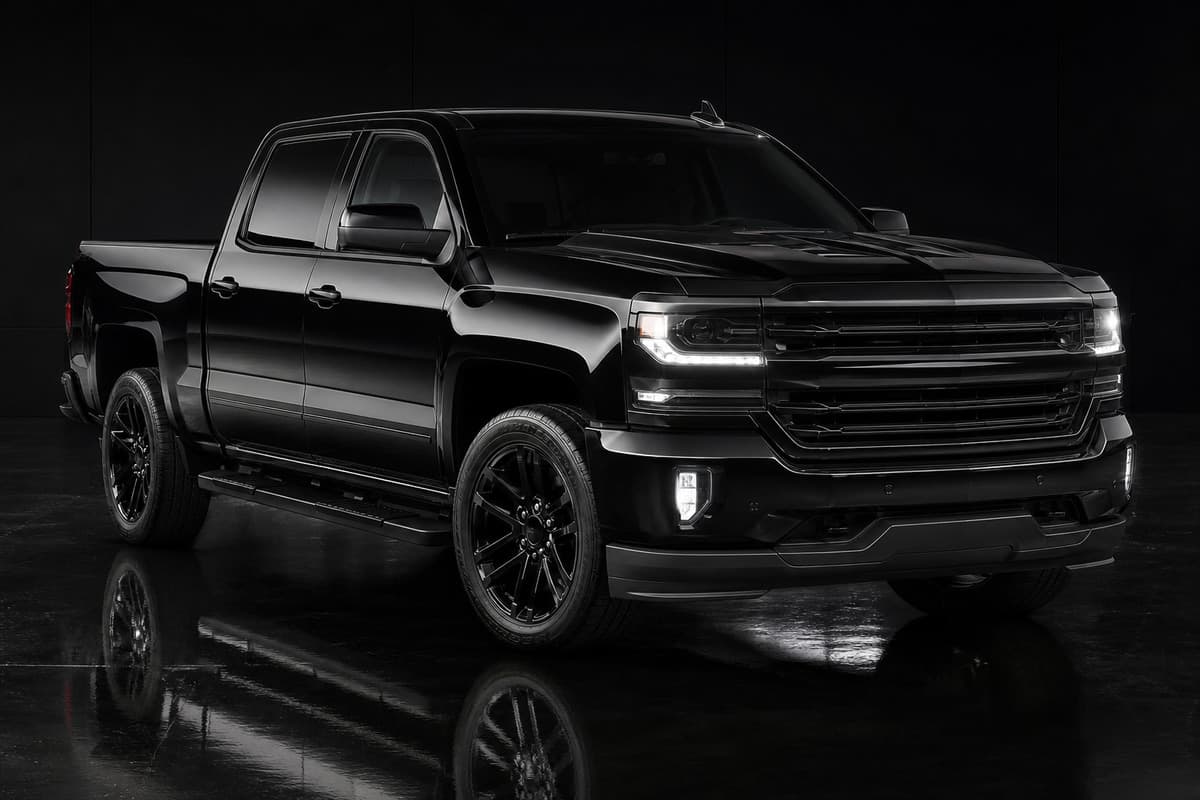
The 2018 Ford F-150 is one of the most capable trucks ever built — full stop. It combines aluminum body construction, multiple powertrain options, and towing muscle that few competitors can match. Whether you're hauling a fifth-wheel trailer across the Rockies or running a work site five days a week, the F-150 platform earns its reputation.
But reliability concerns can shadow even the best vehicles, and the 2018 model year carries a specific asterisk: it was the first year Ford paired the F-150 with the brand-new 10R80 10-speed automatic transmission. First-year production rollouts bring first-year production headaches. Owners and technicians quickly discovered that the 10R80 had real, documented failure modes — particularly in the clutch drum and forward hub assembly — along with software calibration issues that required repeated dealer visits to address.
The 3.5L EcoBoost V6, the most popular engine in this generation, is also not without its quirks. Timing chain tensioner noise on cold starts is a known complaint, and turbocharger wear becomes a conversation at higher mileage. None of this makes the 2018 F-150 a bad truck — it makes it a truck you need to understand before you buy, or before you decide how to fix it. At expediaparts.com, we want to get you back on the road with accurate information and quality parts. Let's dig in.
What the Research Shows
Owner forums, technician reports, and independent automotive coverage all tell a consistent story about the 2018 F-150's weak points. The 10R80 transmission received more than seven technical service bulletins (TSBs) from Ford addressing harsh shifting, rough engagement, and software calibration failures — a volume that signals the factory knew it had a learning curve on its hands. Consumer Reports documented Ford's transmission recall activity covering multiple F-150 model years, and 2018 units share much of that lineage.
On the engine side, the 3.5L EcoBoost has been in Ford's lineup long enough to accumulate meaningful real-world data. Timing chain tensioner degradation is the headline concern, often surfacing as a cold-start rattle that owners sometimes dismiss — until they can't. Addressing it early is far less expensive than addressing it late.
Common Transmission Problems
The 10R80 10-speed automatic is the centerpiece of the 2018 F-150's powertrain, and it's where most of the documented problems live.
CDF (Clutch Drum / Forward Hub) Failure
The single most common catastrophic failure point in the 10R80 is the clutch drum and forward hub assembly. When the CDF hub fails, it does so decisively — you'll notice a loss of power transfer, slipping under load, or the transmission going into limp mode. Barbour's Auto Help breaks down the CDF hub failure in detail, including what causes it and how it's addressed. This is a parts-intensive repair that often makes full replacement the more economical path once labor is factored in.
Harsh and Rough Shifting
Owners across model years report that the 10R80 can shift harshly between gears, particularly during low-speed maneuvering and during cold operation. Ford issued seven or more TSBs related to shifting calibration — if your 2018 F-150 is clunking or lurching between gears, a dealer software update should be your first stop before any mechanical work begins. Big Ben's Cars & Cycles provides a thorough explanation of common 10-speed transmission issues, including what owners should watch for.
Fluid Degradation
The 10R80 is unusually sensitive to fluid condition. Degraded transmission fluid accelerates internal wear and contributes to the harsh shifting complaints described above. Keeping the fluid fresh — and using the correct specification — is the single best preventive measure available to 2018 F-150 owners.
Common Engine Problems
3.5L EcoBoost Timing Chain Tensioner
The timing chain tensioner on the 3.5L EcoBoost is the most important thing to address early. A cold-start rattle that lasts more than a few seconds before quieting down is the classic symptom. Left unaddressed, tensioner failure allows chain slack that can jump timing and cause catastrophic engine damage. Ford issued TSBs covering this issue — verify current coverage at NHTSA.gov.
Turbocharger Wear
At higher mileage, both the 3.5L and 2.7L EcoBoost turbos can develop wear-related issues. Boost pressure loss, increased oil consumption, and audible whine or whistle are common indicators. Turbo replacement or rebuild is a realistic repair for high-mileage examples.
Spark Plugs and Ignition Coils
EcoBoost engines run at higher cylinder pressures than naturally aspirated equivalents, which means spark plugs and coils wear faster than owners sometimes expect. Misfires, rough idle, and reduced fuel economy are the usual signals. This is routine maintenance, but it's worth staying ahead of it.
Recall Note
The 2018
Ford F-150 is associated with multiple TSBs related to 10R80 shifting behavior and 3.5L EcoBoost timing chain concerns. TSBs are not always safety recalls, but they represent Ford's official acknowledgment of a known issue and a prescribed fix. Always verify the current recall and TSB status for your specific VIN at NHTSA.gov before purchasing any replacement part — a covered repair is always better than an out-of-pocket one.
Other Common Failures
- Intercooler Condensation (2.7L EcoBoost): Moisture buildup in the intercooler can cause rough running and temporary power loss on cold starts. This is a design characteristic of the 2.7L engine in particular.
- Transmission Software Updates: Even trucks that have already been updated may need re-flashing if the calibration was not applied correctly. Confirm update history before assuming software has been addressed.
- Transfer Case Concerns (4WD Models): Four-wheel-drive equipped F-150s have seen some transfer case engagement issues, particularly in units that have seen heavy off-road or towing use. If the 4WD selector is hesitating or failing to engage cleanly, the transfer case is worth inspecting.
Used vs. Remanufactured
When it's time to replace the 10R80 or the EcoBoost engine, you'll face a choice between used and remanufactured units. Here's how to think about it:
Used Units come from salvage yards and donor vehicles. They're less expensive upfront, but they carry unknown mileage history and wear. For a first-year transmission with documented failure modes like the 10R80, a used unit is a calculated risk — you may be inheriting the same problems you're trying to solve.
Remanufactured Units are professionally rebuilt to OEM specifications, with worn components replaced and failure-prone parts upgraded. For a transmission like the 10R80 — where the CDF hub is a known weak point — a quality remanufactured unit means that specific failure has already been addressed. The higher upfront cost typically pays off in longevity and peace of mind.
At expediaparts.com, we carry both options and can help you find the right fit for your budget and use case. Browse our inventory now to find the right part for your 2018 F-150.
Price Range
Here's what to expect for the part itself on a 2018
Ford F-150 (price varies with mileage, condition, core charge, and shipping):
- Used transmission: $1,200–$2,200
- Remanufactured transmission: $3,000–$5,000
- Used engine: $1,000–$2,200
- Remanufactured engine: $3,000–$5,500
These ranges reflect market pricing for the part only and do not include labor. Installation costs vary by region and shop, so get a complete estimate before committing to a repair path.
Our Warranty
Every transmission and engine sold through expediaparts.com comes backed by our parts warranty. Coverage details vary by unit type and condition, so contact our team directly for the specific warranty that applies to the part you're ordering. We stand behind what we sell.
Is Replacement the Right Move?
For the 10R80: software updates are always step one. If your truck is still under warranty coverage for a TSB-related issue, that cost goes to zero. If software has been updated and harsh shifting or slipping persists, you're likely looking at mechanical failure — and at that point, replacement is almost always more cost-effective than internal repair, especially given the labor involved in CDF hub work.
For the 3.5L EcoBoost: if the timing chain tensioner rattle is caught early and the chain hasn't jumped, a targeted repair may be all you need. If timing has been compromised or the engine has been run in a damaged state, a replacement engine is the safer path.
The honest answer is: don't wait. A slipping transmission or a rattling timing chain only gets more expensive the longer it runs. Get a diagnosis, confirm software status, and make the call based on real data — not hope.
Ready to Get Back on the Road?
The 2018 Ford F-150 is worth fixing. It's a capable, versatile truck with a powertrain lineup that, when running right, is genuinely impressive. The 10R80 and 3.5L EcoBoost have known issues — but known issues have known solutions.
expediaparts.com is your premier source for quality used and remanufactured transmissions and engines. We want to get you back on the road. Search your part now at expediaparts.com and let our team help you find the right fit for your 2018 F-150.
Frequently Asked Questions
How much does it cost to replace the 2018 Ford F-150 engine or transmission?
At expediaparts.com, used transmissions typically run $1,200–$2,200, remanufactured transmissions $3,000–$5,000, used engines $1,000–$2,200, remanufactured engines $3,000–$5,500 for the 2018 Ford F-150. Final pricing depends on mileage, core charge, and shipping.
Should I buy a used or remanufactured engine or transmission for my 2018 Ford F-150?
A used unit is the lower-cost option and makes sense when the rest of your Ford F-150 is in good shape. A remanufactured unit is rebuilt to spec with stronger warranty coverage and is the smarter long-term choice if you plan to keep the vehicle for years. Both are available at expediaparts.com.
Does expediaparts.com warranty Ford F-150 engines and transmissions?
Yes. We back both used and remanufactured engines and transmissions with warranty coverage, and our drivetrain specialists confirm VIN fitment before you buy. We want to get you back on the road.
Related on Expedia Parts
- Warranty policy and Expedia Protection: /warranty
- Check engine light after engine swap: /blog/check-engine-light-after-engine-swap
- Transmission slip and shudder after replacement: /blog/transmission-slip-and-shudder-after-replacement
- Engine misfire after replacement: /blog/engine-misfire-after-replacement
- Valve body issue or software issue: /blog/valve-body-issue-or-software-issue
- Used and reman engines: /used-engines