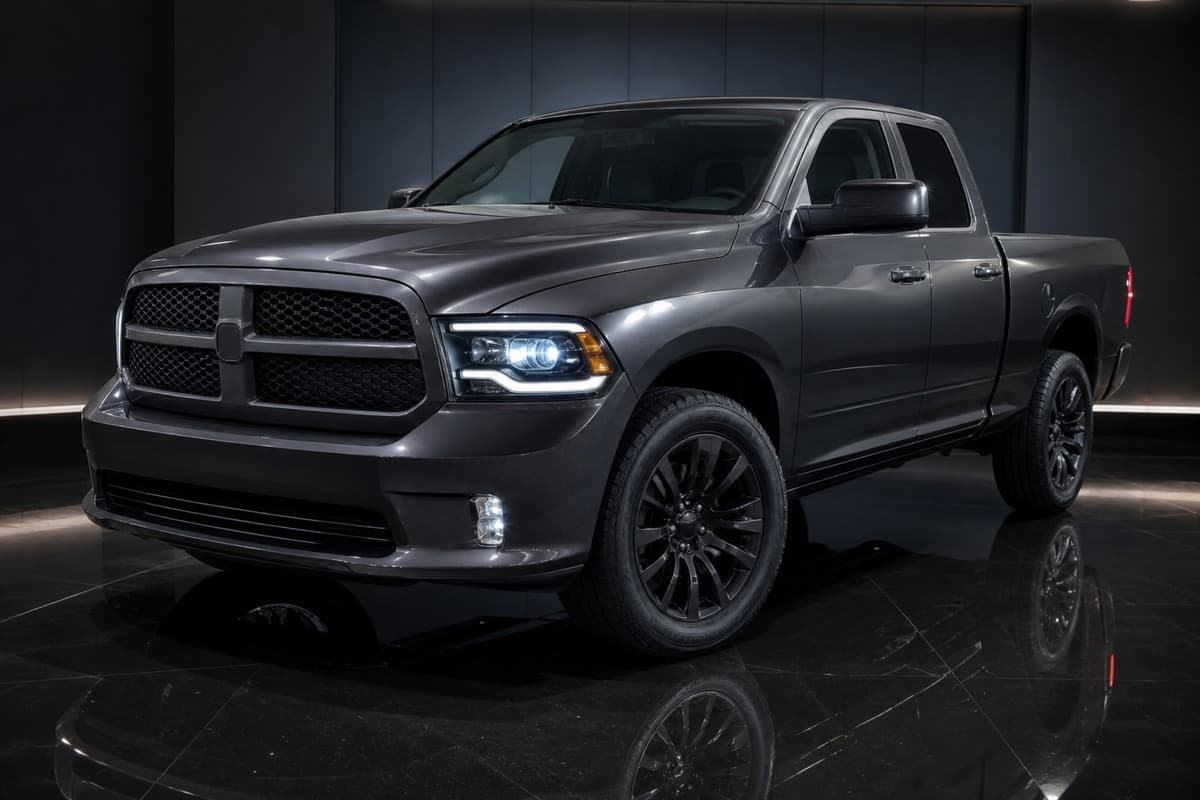
The 2013 Ford Escape marked the launch of a completely redesigned generation — and with a new generation came a new set of growing pains. As the first model year of this body style, the 2013 Escape was the proving ground for the 6F35 six-speed automatic transmission and the turbocharged 1.6L EcoBoost four-cylinder engine. Both quickly developed reputations for serious, well-documented failures that affected owners across the country.
If you own a 2013 Ford Escape and have been dealing with shuddering, overheating, or strange shifting behavior, you are not alone. These are not isolated incidents — they are systemic issues confirmed by recall notices, technical service bulletins (TSBs), and thousands of owner complaints. Understanding exactly what is failing and why gives you the information you need to make the right repair decision.
At expediaparts.com, we want to get you back on the road as quickly and affordably as possible. Whether you are looking at a used or remanufactured transmission or engine, this guide walks you through the known failure points, safety recalls, and realistic price ranges so you can move forward with confidence.
What the Research Shows
The 2013 Ford Escape lands at #12 on our list of vehicles most frequently needing major powertrain replacement — a ranking driven by the combination of first-year production issues and two particularly vulnerable components. Consumer Reports' reliability data for the 2013 Ford Escape flags the engine and transmission as below-average reliability areas, consistent with what shops and owners have reported since the vehicle launched.
The 6F35 six-speed automatic and the 1.6L EcoBoost engine were both introduced in force with this generation. Being the first model year means this Escape bore the brunt of early production variance — a pattern that tends to produce higher-than-average failure rates. A thorough breakdown of 6F35 transmission behavior across multiple Ford model years is documented by Big Ben's Cars & Cycles on YouTube, confirming that the 2013 Escape sits at the front of a failure family that extends across 2013–2019 model years. Additional common-issue context is available from DriveSmart Auto's Ford Escape guide.
Common Transmission Problems
The 6F35 six-speed automatic transmission in the 2013 Ford Escape has two primary failure modes that owners and technicians encounter regularly.
Torque converter failure and shudder is the most frequently reported symptom. At highway speeds — typically between 40 and 60 mph — the torque converter lockup clutch begins to slip, producing a shuddering or vibration that feels like driving over rumble strips. Left unaddressed, this shudder accelerates internal clutch pack wear and leads to a full rebuild or replacement.
Shifter cable bushing detachment is the more urgent concern. When the plastic bushing that connects the shift cable to the transmission lever breaks loose, the gear indicator on your dash may show "Park" while the transmission is actually in a different position. This is a confirmed safety issue — a vehicle you believe is in Park can roll. A recall was issued covering this exact failure (see the Recall Note section below).
The 6F35 failure family spans all 2013–2019 Ford Escapes, meaning replacement parts are widely available and repair shops are familiar with the work. If your transmission is slipping, shuddering, or behaving erratically, get it evaluated before the damage compounds.
Ready to find a 6F35 transmission? Shop used and remanufactured options at expediaparts.com and get back on the road.
Common Engine Problems
The 1.6L EcoBoost four-cylinder is the primary problem engine in the 2013 Ford Escape, and its failure modes are serious enough to warrant immediate attention if you see early warning signs.
Coolant leaks from freeze plug dislodgement and cylinder head failure are the most common complaints. The 1.6L EcoBoost runs hot, and when the cooling system is compromised — whether through a cracked coolant reservoir, a failed freeze plug, or a warped cylinder head — coolant can intrude into the cylinders. Coolant in a combustion chamber leads to hydrolocking, catastrophic rod and piston damage, and a potentially unrecoverable engine.
Overheating leading to engine fire risk is the most alarming failure path. Ford issued a Technical Service Bulletin (TSB) specifically addressing 1.6L EcoBoost overheating in the Escape after a pattern of engine compartment fires was identified. If your temperature gauge spikes or your coolant warning light activates, pull over immediately and do not continue driving.
If you have experienced repeated overheating episodes, a coolant reservoir that keeps running dry, or white smoke from the exhaust, your 1.6L EcoBoost may already have internal damage that makes replacement the more cost-effective path.
Need a 1.6L EcoBoost engine? Browse inventory at expediaparts.com — used and remanufactured options available.
Recall Note
Two safety items specifically affect the 2013 Ford Escape and should be verified before anything else:
• Shifter cable bushing recall (2013–2016 Escapes): The plastic bushing connecting the shift cable to the transmission can detach, causing a mismatch between the gear indicator and the actual transmission position. The vehicle may not be in Park even when the display says otherwise. This is a safety recall — check your VIN at NHTSA.gov to confirm whether the recall work has been completed on your vehicle.
• 1.6L EcoBoost fire risk TSB: Ford issued a Technical Service Bulletin addressing overheating and fire risk in 1.6L EcoBoost-equipped Escapes. While a TSB is not a mandatory recall, it documents a known issue and associated repair procedure. Verify current TSB and recall status for your specific VIN at NHTSA.gov.
If either of these issues has not been addressed on your vehicle, make that the first call before tackling any other repair.
Other Common Failures
Beyond the transmission and engine, the 2013 Ford Escape has a few additional failure points that owners should be aware of:
• Vacuum pump seizure leading to turbo destruction: The 1.6L EcoBoost relies on a vacuum pump that can seize, and when it does, the resulting chain failure can destroy the turbocharger. This is an expensive secondary failure that often follows deferred maintenance.
• Power steering issues: Owners have reported loss of power steering assist, which can make the vehicle difficult to control at low speeds.
• Coolant reservoir cracks: The plastic coolant reservoir is prone to cracking, which accelerates the coolant loss and overheating cycle described in the engine section above. Replacing the reservoir early — before it fully fails — can prevent more serious downstream damage.
Used vs. Remanufactured
When it comes to replacing the 6F35 transmission or the 1.6L EcoBoost engine, you have two main options:
Used (pull-out) units come from salvage vehicles with known or unknown mileage histories. They are the lower upfront cost and can be a smart choice when the donor vehicle's history is verified and mileage is reasonable. The trade-off is that a used unit carries no guarantee of internal condition.
Remanufactured units are fully disassembled, inspected, and rebuilt to manufacturer specifications using new or reconditioned components. Every wear item is replaced. A remanufactured unit from a quality supplier costs more upfront but delivers reliability and typically comes with a warranty — a significant advantage for a vehicle you plan to keep and drive.
For the 2013 Ford Escape specifically, the known failure history of both the 6F35 and the 1.6L EcoBoost makes the remanufactured path worth serious consideration. You are not just replacing a part — you are resetting the failure clock.
Price Range
Here's what to expect for the part itself on a 2013
Ford Escape (price varies with mileage, condition, core charge, and shipping):
- Used transmission: $800–$1,400
- Remanufactured transmission: $1,800–$3,200
- Used engine: $700–$1,500
- Remanufactured engine: $2,500–$4,500
Prices reflect parts only. Installation labor costs vary by shop and region. Contact expediaparts.com for current inventory and pricing.
Our Warranty
Every transmission and engine sold through expediaparts.com comes backed by a warranty — because we stand behind what we sell. Warranty terms vary by unit type (used vs. remanufactured) and part. Contact us directly for the specific warranty that applies to your order. We want you to buy with confidence and drive with confidence.
Is Replacement the Right Move?
For the 2013 Ford Escape, replacement is often the right call — but context matters.
The shifter cable bushing recall is a safety item and must be addressed regardless. Beyond that, if your 6F35 is shuddering or slipping and the vehicle is otherwise in good mechanical condition, replacement will almost always be more cost-effective than a full rebuild attempt on a transmission that has been running with internal damage. The same logic applies to the 1.6L EcoBoost: if coolant has entered the cylinders or the engine has experienced significant overheating events, the internal damage is rarely limited to one component.
The 2013 Escape is the first model year of a generation that ran through 2019. Parts availability is strong, the repair ecosystem knows these vehicles well, and a solid replacement unit can give a well-maintained Escape many more miles of reliable service. If the body, suspension, and other systems are in good shape, powertrain replacement is a sound investment.
Ready to Get Back on the Road?
The 2013 Ford Escape has real, well-documented problems — but they are fixable. Whether you need a 6F35 transmission or a 1.6L EcoBoost engine, expediaparts.com has used and remanufactured options ready to ship.
Shop 2013 Ford Escape transmissions and engines at expediaparts.com — and let us help you get back on the road.
Frequently Asked Questions
How much does it cost to replace the 2013 Ford Escape engine or transmission?
At expediaparts.com, used transmissions typically run $800–$1,400, remanufactured transmissions $1,800–$3,200, used engines $700–$1,500, remanufactured engines $2,500–$4,500 for the 2013 Ford Escape. Final pricing depends on mileage, core charge, and shipping.
Should I buy a used or remanufactured engine or transmission for my 2013 Ford Escape?
A used unit is the lower-cost option and makes sense when the rest of your Ford Escape is in good shape. A remanufactured unit is rebuilt to spec with stronger warranty coverage and is the smarter long-term choice if you plan to keep the vehicle for years. Both are available at expediaparts.com.
Does expediaparts.com warranty Ford Escape engines and transmissions?
Yes. We back both used and remanufactured engines and transmissions with warranty coverage, and our drivetrain specialists confirm VIN fitment before you buy. We want to get you back on the road.
Related on Expedia Parts
- Warranty policy and Expedia Protection: /warranty
- Documents required for a warranty claim: /blog/documents-required-warranty-claim
- Transmission slip and shudder after replacement: /blog/transmission-slip-and-shudder-after-replacement
- Torque converter shudder vs bad transmission: /blog/torque-converter-shudder-vs-bad-transmission
- Overheating after engine or transmission replacement: /blog/overheating-after-engine-or-transmission-replacement
- Used and reman engines: /used-engines