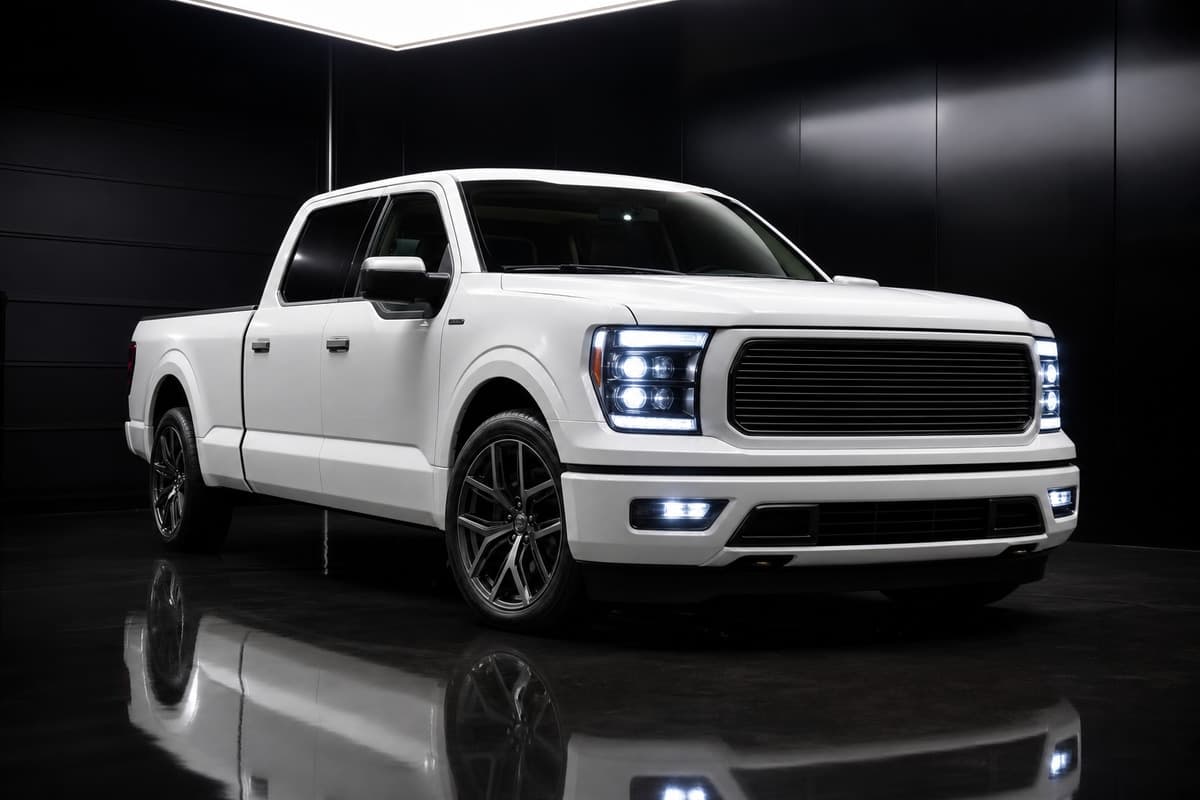
The 2006 Ford F-150 is one of the most capable and widely-used trucks on the road — and also one of the most problem-prone model years in the 11th-generation lineup. If you're driving one and something feels off, you're probably not imagining it. This particular year sits right in the middle of a generation (2004–2008) that Ford owners and technicians have come to know for predictable, repeatable failures in both the transmission and engine.
The good news is that these problems are well-understood. Mechanics have seen them hundreds of times, parts suppliers stock the components, and owners who know what to look for can make smart decisions before a minor symptom turns into a major repair bill. Whether you're chasing a shudder on the highway, hearing a rattle on cold starts, or dealing with a check engine light that just won't quit, there's a clear path forward.
At expediaparts.com, we want to get you back on the road. This guide walks through the most common failures on the 2006 F-150, what the data shows about this model year, and what you can realistically expect to pay for a used or remanufactured transmission or engine.
What the Research Shows
The 2006 Ford F-150 uses the 4R75E 4-speed automatic transmission and, in the most common configuration, the 5.4L Triton 3V V8 engine. This year is widely considered one of the most problematic in the 2004–2008 generation, particularly for engine-related failures.
According to Powertrain Products' overview of the Ford 5.4L Triton V8, the 3-valve version of this engine has several design-level vulnerabilities that show up consistently across the 2006–2008 model years — most notably cam phaser failure and two-piece spark plug breakage. 1A Auto's breakdown of the 11th-gen F-150 (2004–2008) confirms the same issues and ranks spark plug seizure as one of the top five problems owners encounter. The 4R75E transmission is similarly well-documented, with torque converter and overdrive issues appearing regularly across owner forums and technician reports.
If you own a 2006 F-150, you're not dealing with a fluke — you're dealing with a pattern. The upside: you can plan for it.
Common Transmission Problems
The 4R75E 4-speed automatic in the 2006 F-150 has two failure modes that show up most often:
Loss of 4th Gear / Overdrive
This is the classic 4R75E complaint. The transmission drops out of overdrive at highway speeds, the RPMs climb, and fuel economy tanks. In many cases the truck stays drivable in 1–3 but refuses to engage 4th. This is often caused by worn overdrive components or a failed solenoid pack.
Torque Converter Clutch Early Apply (Chuggle at 40–50 MPH)
This one is easy to misdiagnose. The truck shudders or "chugs" at light throttle between 40 and 50 mph — it feels like the engine is bucking, but the problem is the torque converter clutch engaging too early. A real-world example of this exact issue on a 2006 F-150 shows how distinct (and unnerving) the symptom is. The fix requires rebuilding or replacing the torque converter.
Transmission Connector Corrosion
The external wiring connector on the 4R75E is prone to corrosion, especially in northern climates exposed to road salt. Corroded pins throw P07xx solenoid codes and can mimic internal transmission failure — always worth inspecting the connector before authorizing a full rebuild.
Browse our available 4R75E transmissions at expediaparts.com to find the right fit for your truck.
Common Engine Problems
The 5.4L Triton 3V V8 is the most common engine in the 2006 F-150, and it comes with a list of well-known failure points. EYVO Auto's deep dive on the 5.4L 3V Triton covers most of these in detail.
Cam Phaser Failure
The variable valve timing phasers on the 5.4L 3V are notoriously failure-prone. The classic symptom is a loud metallic rattle from the valve cover area on cold starts that quiets down once oil pressure builds. By the time you hear it consistently, phaser damage is usually significant. 2006 is considered one of the worst model years for this issue.
Spark Plug Seizure and Two-Piece Breakage
This is the issue that has ruined many otherwise straightforward tune-ups. The 5.4L 3V uses two-piece spark plugs that tend to seize in the aluminum head over time. When a technician attempts removal, the plug snaps — leaving the bottom half of the plug body stuck in the head. Extraction requires special tools and expertise, and it's not always successful. 2006–2008 are the worst years for this problem. In some cases, the cost of spark plug extraction alone makes engine replacement a more economical choice.
Timing Chain Stretch and Tensioner Failure
A stretched timing chain combined with a worn tensioner produces rattling on startup and can cause misfires, rough idle, and check engine codes. Left unaddressed, it can lead to catastrophic engine failure.
Oil Pan Gasket Leak
A common maintenance item on high-mileage 5.4L engines. Look for oil pooling at the bottom of the engine or visible seepage along the pan rail.
Ignition Coil Boot Deterioration
The coil-on-plug boots on the 5.4L break down with heat cycling. Cracked or torn boots cause misfires and P030x codes. This is a relatively inexpensive fix — but commonly overlooked.
Need a replacement 5.4L engine? Search our inventory at expediaparts.com for used and remanufactured options.
Recall Note
The 2006
Ford F-150 does not have a formal recall specifically targeting the cam phaser or spark plug issues, but NHTSA-registered Technical Service Bulletins (TSBs) exist for both. TSBs are Ford's official acknowledgment of a problem and recommended repair procedure — they don't cover cost the way recalls do, but they confirm that Ford was aware of the issues. Always verify current recalls and TSBs for your specific VIN at NHTSA.gov before making repair decisions.
Other Common Failures
Beyond the transmission and engine, 2006 F-150 owners frequently report:
• Exhaust manifold stud breakage — Heat cycling causes the studs to corrode and snap. Broken studs cause exhaust leaks and ticking noises.
• Throttle body limp mode — P0022 and P0102 codes can trigger limp mode. Often related to a dirty or failing throttle body or MAF sensor.
• Oil pump failure on neglected engines — Irregular oil changes accelerate wear on the oil pump. Low oil pressure warnings on high-mileage trucks should be taken seriously immediately.
Used vs. Remanufactured
When the transmission or engine is done, you have two practical options:
Used (Pull-out): Sourced from a donor vehicle, typically with unknown mileage history. Lower upfront cost, but no guarantee the core failure mode isn't already present. Best when budget is the primary constraint and the miles are verified.
Remanufactured: Rebuilt to OEM specifications with new wear components, seals, and updated parts where applicable. Comes with a warranty. For the 5.4L 3V specifically, remanufactured units are built with the spark plug and cam phaser issues in mind — making them a significantly better long-term investment than a used engine that may have the same latent problems.
For the 2006 F-150, we generally recommend remanufactured — particularly for the engine. The cost of chasing a used engine's pre-existing cam phaser or spark plug damage can quickly exceed the price difference.
Price Range
Here's what to expect for the part itself on a 2006
Ford F-150 (price varies with mileage, condition, core charge, and shipping):
- Used transmission: $500–$1,100
- Remanufactured transmission: $1,400–$2,600
- Used engine: $600–$1,400
- Remanufactured engine: $2,000–$3,800
Our Warranty
All transmissions and engines at expediaparts.com come backed by a warranty. Coverage details vary by unit type — contact us directly at expediaparts.com to confirm warranty terms for the specific part you're ordering. We stand behind what we sell.
Is Replacement the Right Move?
For the 2006 F-150, the math often favors replacement over repair — especially on the engine side.
If you're facing a spark plug extraction job on the 5.4L 3V, get a quote first. Extraction can run $800–$1,500 per plug in a worst-case scenario, and there's no guarantee of success. If the cam phasers are also failing, you're looking at an engine that needs multiple expensive repairs simultaneously. A remanufactured 5.4L at $2,000–$3,800 may be cheaper than fixing the one you have.
On the transmission side, the 4R75E is a known quantity. If it's slipping out of overdrive or shuddering through the torque converter, a quality used or remanufactured unit puts you back on the road without the uncertainty of a rebuild on a 15+ year-old valve body.
Ready to Get Back on the Road?
The 2006 Ford F-150 is a tough truck — it just has a few well-known weak points. The right replacement part, sourced from a reliable supplier, gets you back to work without overpaying for repairs that don't hold.
Shop 4R75E transmissions and 5.4L engines at expediaparts.com — or call us and we'll help you find the right unit for your truck. We want to get you back on the road.
Frequently Asked Questions
How much does it cost to replace the 2006 Ford F-150 engine or transmission?
At expediaparts.com, used transmissions typically run $500–$1,100, remanufactured transmissions $1,400–$2,600, used engines $600–$1,400, remanufactured engines $2,000–$3,800 for the 2006 Ford F-150. Final pricing depends on mileage, core charge, and shipping.
Should I buy a used or remanufactured engine or transmission for my 2006 Ford F-150?
A used unit is the lower-cost option and makes sense when the rest of your Ford F-150 is in good shape. A remanufactured unit is rebuilt to spec with stronger warranty coverage and is the smarter long-term choice if you plan to keep the vehicle for years. Both are available at expediaparts.com.
Does expediaparts.com warranty Ford F-150 engines and transmissions?
Yes. We back both used and remanufactured engines and transmissions with warranty coverage, and our drivetrain specialists confirm VIN fitment before you buy. We want to get you back on the road.
Related on Expedia Parts
- Warranty policy and Expedia Protection: /warranty
- Check engine light after engine swap: /blog/check-engine-light-after-engine-swap
- Transmission slip and shudder after replacement: /blog/transmission-slip-and-shudder-after-replacement
- Torque converter shudder vs bad transmission: /blog/torque-converter-shudder-vs-bad-transmission
- Engine misfire after replacement: /blog/engine-misfire-after-replacement
- Valve body issue or software issue: /blog/valve-body-issue-or-software-issue